

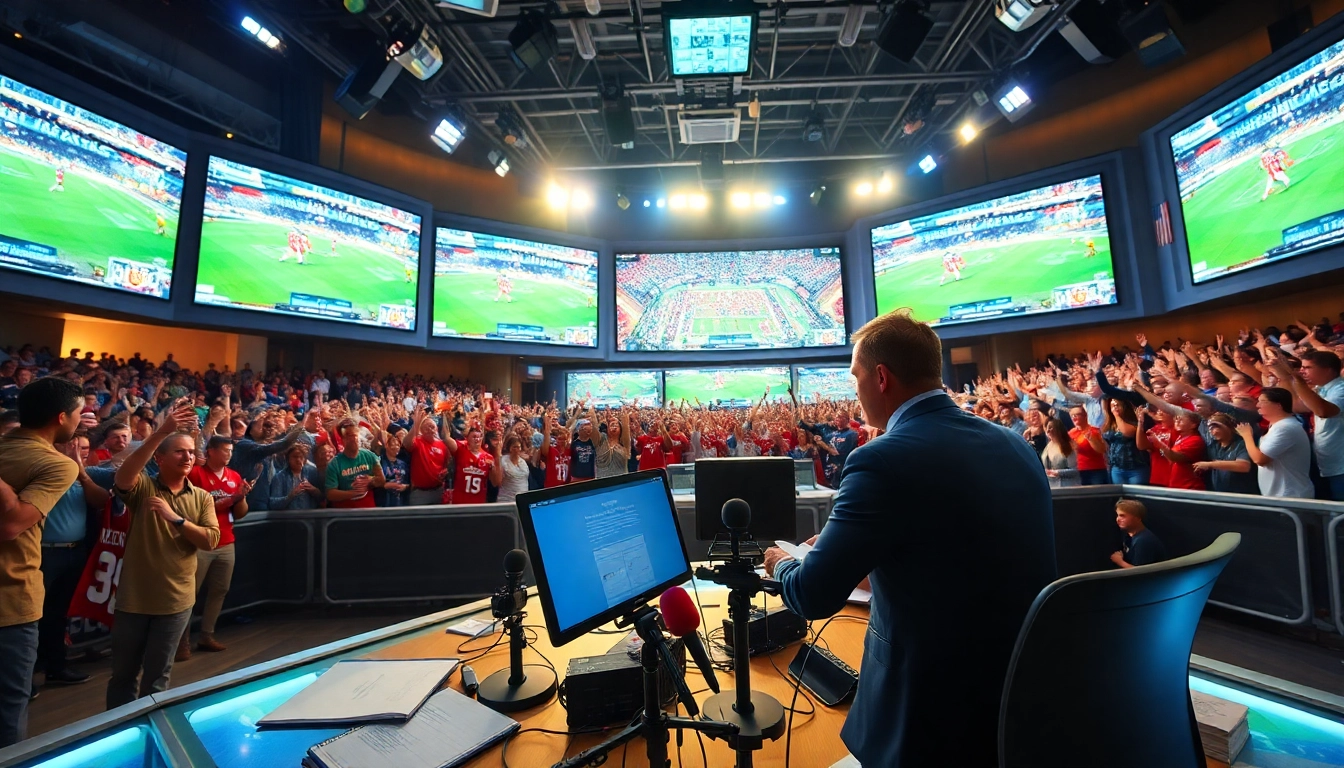
Understanding Sports Broadcasting
Sports broadcasting has transformed dramatically over the decades, evolving from simple radio transmissions to multifaceted live-streaming experiences that engage millions of fans worldwide. This Sports Broadcasting landscape not only entertains but also plays a crucial role in the media ecosystem, influencing viewer engagement, advertising strategies, and technology usage in sports. This article delves deep into the various elements that compose the world of sports broadcasting, examining history, types, techniques, and best practices.
The Evolution of Sports Broadcasting
Sports broadcasting began in the early 20th century with radio coverage of events such as boxing matches and football games. The first-ever sports broadcast occurred in 1921 when a boxing match between Jack Dempsey and Georges Carpentier was aired. The growth continued with the introduction of television in the 1950s, which revolutionized how audiences consumed sports content. Major events such as the Super Bowl and the Olympics became global spectacles, drawing in millions of viewers.
Key Terms in Sports Broadcasting
Understanding the lexicon of sports broadcasting is essential for anyone interested in the field. Here are some key terms:
- Play-by-play: The immediate, detailed description of a sporting event as it happens.
- Color commentary: Insights and opinions provided by former players or analysts to enhance the viewer’s understanding.
- Live streaming: Broadcasting content in real-time over the internet.
- On-demand content: Pre-recorded games or highlight reels accessible to viewers anytime.
The Importance of Audience Engagement
In today’s competitive media landscape, audience engagement stands at the forefront of successful sports broadcasting strategies. Engaged viewers are more likely to tune in regularly, participate in discussions, and share content. Strategies for enhancing audience engagement include interactive social media campaigns, live Q&A sessions with commentators, and using polling tools during broadcasts to gauge viewer opinions.
Types of Sports Broadcasting
Traditional vs. Digital Sports Broadcasting
Traditional sports broadcasting primarily involves television and radio networks that provide scheduled programs. The privilege of exclusive rights to major sports events often defines the leading networks. In contrast, digital sports broadcasting encompasses online platforms and streaming services, allowing audiences to view content at their convenience. Digital formats often enhance viewer experience through customizable options like multiple camera angles and interactive features.
Live Streaming and Its Impact
Live streaming has radically changed the sports broadcasting field by removing geographical barriers to event access. Fans can watch live matches via mobile devices, enhancing accessibility and convenience. This immediacy opens new avenues for engagement and monetization through advertisements and viewer subscriptions. It’s crucial for broadcasters to deliver high-quality streams with minimal buffering to retain viewership.
On-Demand Sports Content
On-demand sports content offers flexibility to fans who can access past games, highlights, and analytical shows at their leisure. Subscription services and platforms like YouTube have popularized this format, appealing to younger audiences who prefer to control their viewing schedules. This trend necessitates a shift in how broadcasters structure content, as creating compelling on-demand material is essential for audience retention.
Techniques for Effective Sports Broadcasting
Delivering Commentary
Effective commentary elevates the viewing experience by providing context and insights into the game. Broadcasters need to convey excitement while delivering accurate information in real-time. Training and practice in voice modulation, pacing, and articulating thoughts clearly are vital for aspiring sports commentators. Integrating statistics and player histories is also crucial to enriching audience understanding.
Effective Use of Visuals
Visual elements bolster the storytelling aspect of sports broadcasts. Utilizing high-definition graphics, instant replays, and real-time stats enhances the viewer’s ability to follow the action and deepen their knowledge of the game. Strategic camera angles that capture emotional moments, such as celebrations or injuries, can significantly impact viewer engagement and emotional investment.
Emphasizing Storytelling
Every sports event is underlined by stories — the rivalries, personal journeys, and strategic battles contribute richly to the overall narrative. Broadcasters should weave these stories into their commentary by offering background context and exploring players’ motivations. This storytelling technique not only captivates audiences but also fosters deeper connections with teams and athletes.
Best Practices in Sports Broadcasting
Maintaining Audience Interest
Keeping audiences engaged throughout a broadcast is challenging yet essential. Techniques to sustain interest include maintaining a dynamic energy level, varying commentary styles, and involving guest analysts or former players. Using audience interaction tools, such as social media shout-outs or polls, can also reinforce viewer participation throughout the event.
Utilizing Social Media Platforms
Social media is a powerful tool in sports broadcasting, enabling real-time interactions and creating buzz around events. Broadcasters should have a strong social media strategy, posting highlights, commentary snippets, and behind-the-scenes content. Encouraging fans to share their views and predictions can further amplify engagement and foster community-centric broadcasting experiences.
Measuring Broadcast Success
Evaluating the success of a sports broadcast involves multiple metrics, including viewer ratings, engagement levels, and social media interactions. Tools like Nielsen ratings provide insights into audience demographics, while social media analytics inform how well audiences resonate with content. Gathering audience feedback through surveys and interviews can also guide future broadcasting strategies.
Future Trends in Sports Broadcasting
Augmented and Virtual Reality in Broadcasting
The incorporation of augmented reality (AR) and virtual reality (VR) technologies is transforming how fans experience sports. AR allows for enhanced graphics during broadcasts, such as player statistics appearing on-screen in real-time. VR can simulate the feeling of being in the stadium from the comfort of home, offering immersive experiences that are likely to draw more viewers and create new revenue opportunities.
The Rise of Esports Broadcasting
Esports has gained massive traction, leading to a surge in dedicated esports broadcasting. This includes live matches, team profiles, and commentary, mirroring traditional sports formats. With younger audiences gravitating toward gaming, broadcasters are investing more in developing specialized streaming services and engaging production practices to cater to this demographic.
Innovations in User Experience
The future of sports broadcasting is oriented toward enhancing user experience through custom options, such as selective commentary. Audiences desire personalized content experiences, including the ability to choose their preferred commentators or focus on specific players during live games. Integrating machine learning algorithms to curate content based on viewer preferences can create a more engaging digital environment.
FAQs:
What is Sports Broadcasting?
Sports broadcasting involves the live airing or reporting of sporting events through radio, television, or digital platforms, aiming to enhance audience experience and engagement.
How has technology changed Sports Broadcasting?
Technology has introduced features like high-definition streaming, multi-camera perspectives, and interactive elements, significantly enriching viewer experiences and accessibility.
What skills are essential for broadcasters?
Essential skills include strong communication, quick thinking, in-depth sports knowledge, and the ability to engage audiences effectively through compelling storytelling and commentary.
What trends are shaping Sports Broadcasting today?
Key trends include the rise of streaming services, social media engagement, augmented reality integration, and the growing popularity of esports broadcasting among younger viewers.
How do I get started in Sports Broadcasting?
Start by pursuing studies in media or communications, gain practical experience through internships, and build a portfolio showcasing your commentary or reporting skills.